Cupping Therapy
Cupping Therapy
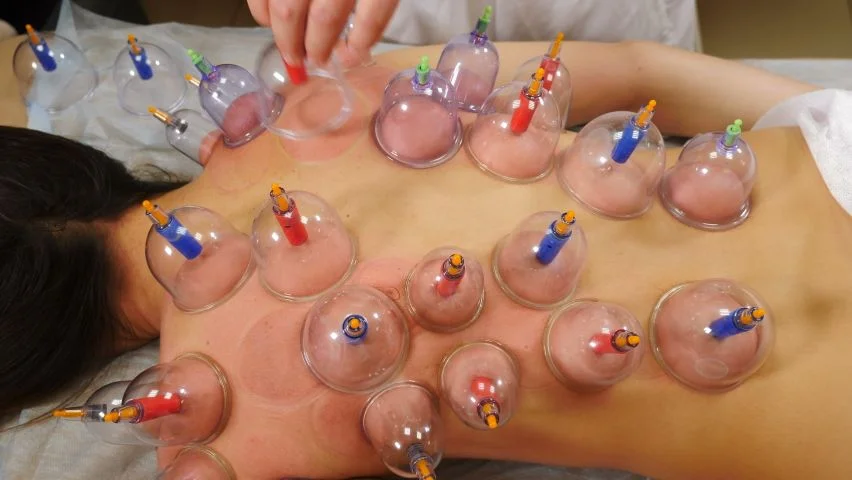
Cupping therapy is an ancient form of alternative medicine that involves placing special cups on the skin to create suction. The suction draws blood to the surface, which is believed to enhance blood flow, promote healing, and relieve muscle tension and pain.
Types of
Cupping Therapy
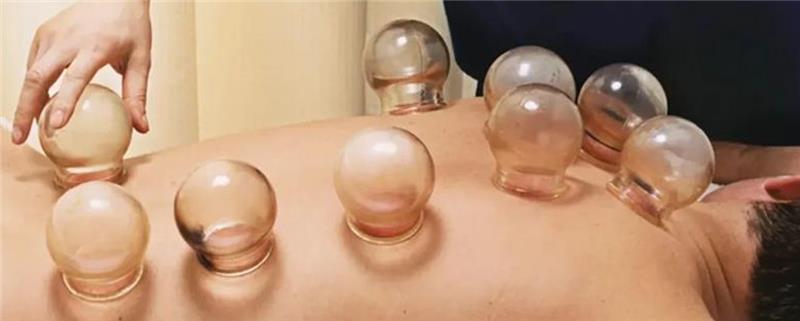
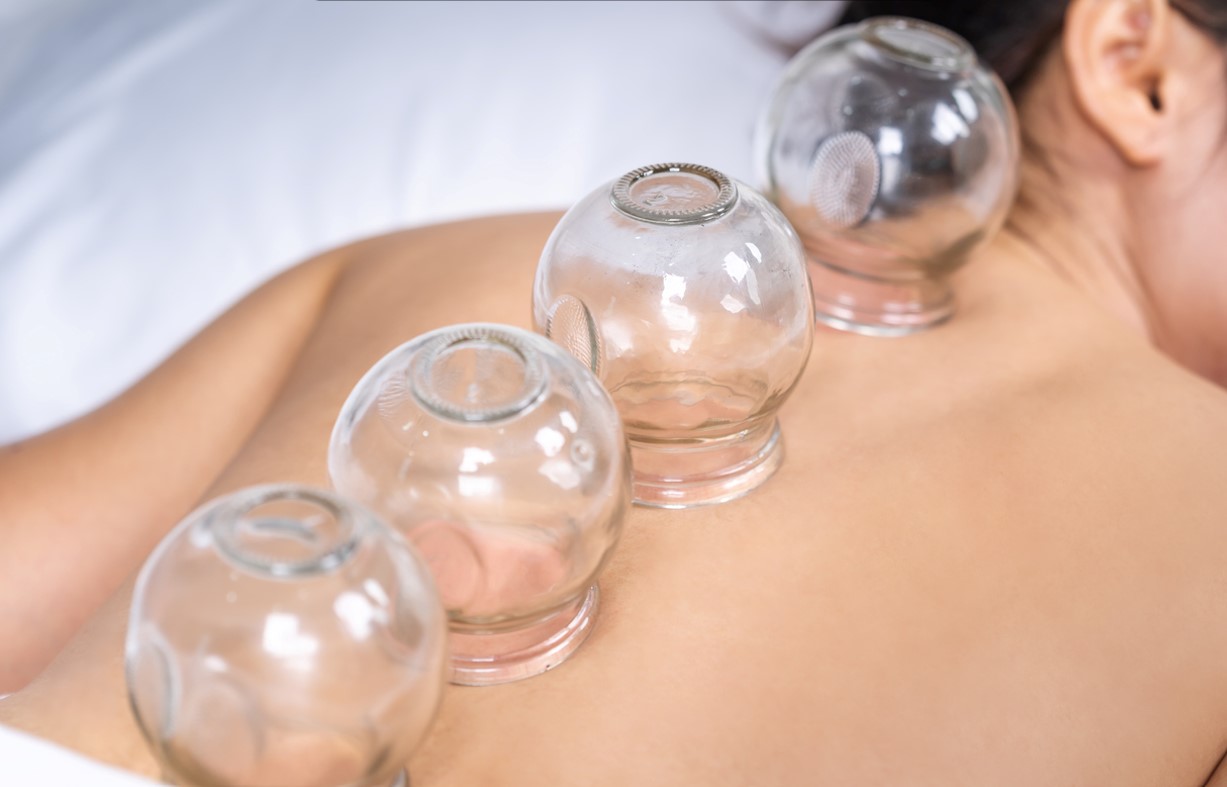
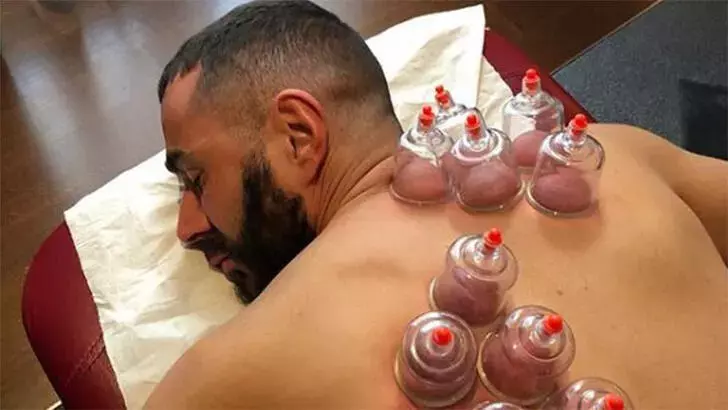
- Dry Cupping: The most common method in Western settings, this technique uses suction only. Cups (made of glass, plastic, or silicone) are placed on the skin and a vacuum is created either with a manual pump or heat (fire cupping). The cups are typically left in place for 5 to 15 minutes.
- Wet Cupping (Hijama):
After a mild initial suction, the practitioner removes the cup and makes small, superficial incisions in the skin. A second suction then draws out a small amount of blood and interstitial fluid, which proponents believe helps remove toxins. This method requires strict hygiene protocols due to the handling of blood.
-
Running Cupping (Massage Cupping): After applying oil or lotion to the skin, the practitioner moves the suction cups across the treated area for a massage-like effect. This technique is often used with flexible silicone cups.
Potential Benefits of
Cupping Therapy
While scientific evidence for its effectiveness is mixed and more high-quality research is needed, many people report benefits from cupping therapy, especially for pain management.
Potential Benefits Include:
Pain Relief: May help alleviate chronic pain conditions such as back pain, neck pain, knee pain, and migraines.
Muscle Relaxation and Recovery: Helps reduce muscle stiffness, decrease tension, and improve range of motion, which is why it is popular among athletes.
Improved Blood Flow: The suction expands blood vessels, bringing more oxygen and nutrients to the treated area to promote the body’s natural healing processes.
Relaxation and Well-being: The process can induce a state of relaxation, help reduce stress, and improve mental clarity.
Evidence-Based Techniques:
Both wet and dry, shows promise in managing pain, particularly for conditions like low back pain, neck pain, and musculoskeletal issues. While the evidence suggests benefits, the quality of research and specific effectiveness can vary.
Side Effects and Risks
Cupping is generally not recommended for individuals who:
- Have bleeding disorders or take blood-thinning medication.
- Have open wounds, burns, or skin infections.
- Have certain serious health conditions, such as heart disease or active cancer.
- Are pregnant (especially the abdomen and lower back areas).